

Correcting Complex Cases with Clear Aligners: What’s Possible?
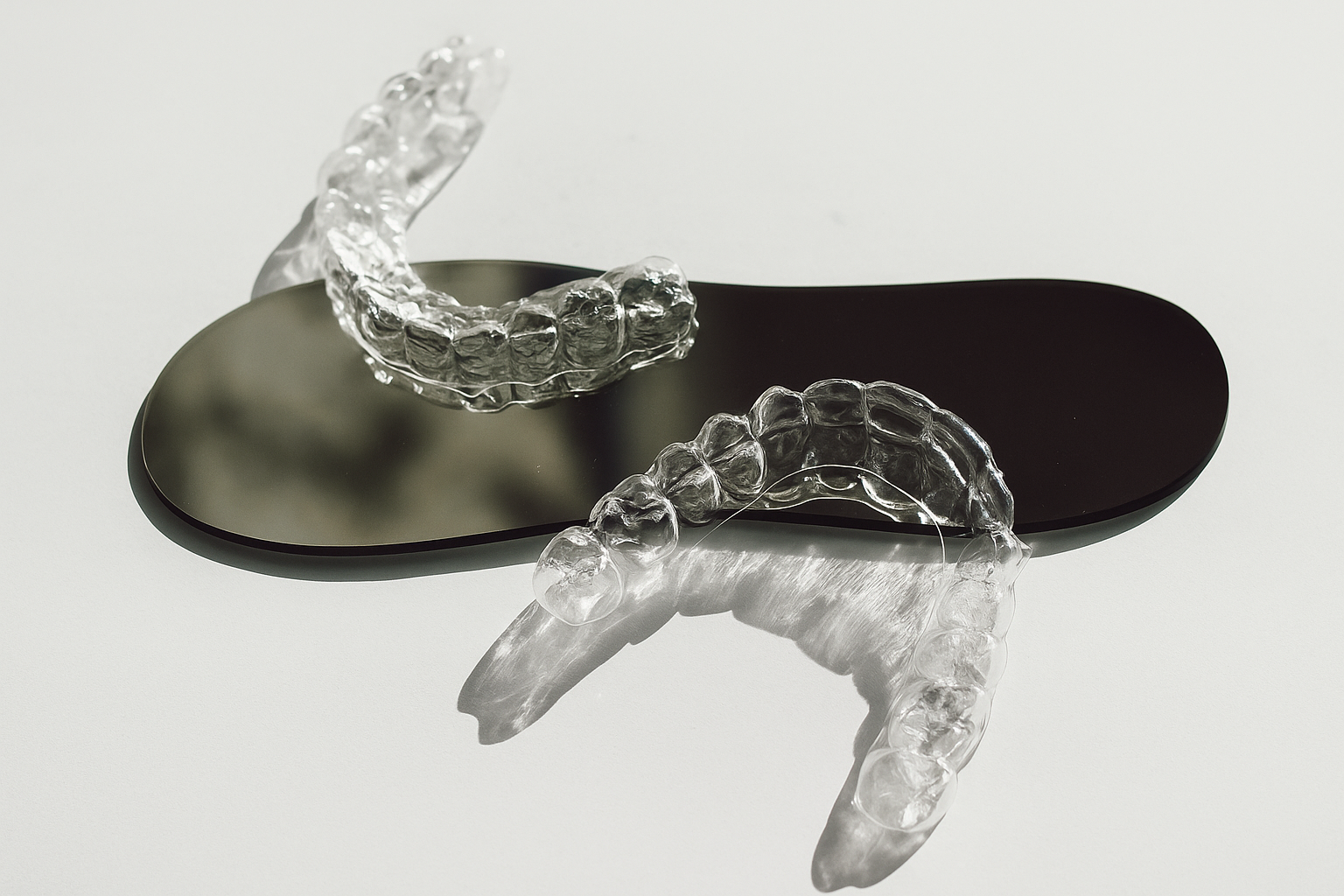
Clear aligners have completely transformed the world of orthodontics. What started as a convenient option for mild teeth straightening has now become a powerful treatment capable of correcting more complex dental issues. Over the years, advances in aligner technology have expanded what’s possible. It is not just for cosmetic improvements, but for serious bite and alignment problems too.
If you’ve ever been told that your smile is “too complicated” for clear aligners, you may be surprised at how much has changed. Modern aligner systems can now treat a wide range of orthodontic problems once thought to be fixable only with traditional braces.
In this article, we’ll explore how complex cases can be resolved via clear aligners.
Clear Aligners: More Advanced Than Ever
Clear aligners are custom-made, removable trays that gradually shift your teeth into proper alignment. They work by applying gentle, controlled force to specific teeth at each stage of the treatment. Unlike traditional braces, they don’t use metal wires or brackets, making them more comfortable, discreet, and easier to clean.
When aligners first became popular, they were best suited for minor crowding, spacing issues, or slight bite adjustments. But with the help of 3D digital scanning, advanced treatment planning software, and attachments that give aligners more control over tooth movement, dentists can now use them to tackle moderate to even severe orthodontic problems.
Complex Orthodontic Problems Clear Aligners Can Correct
A. Moderate to Severe Crowding
Crowded teeth are one of the most common reasons patients seek orthodontic treatment. In the past, aligners could handle only mild crowding, but today’s systems can manage more complex cases by using a combination of interproximal reduction (IPR), attachments, and carefully planned movements. Aligners can help create space, move teeth into proper alignment, and give patients a straight, functional smile.
B. Overbite and Deep Bite
A deep bite (when the upper front teeth excessively overlap the lower teeth) or overbite can affect both your smile and your bite function. Modern clear aligners can correct many of these cases by using special bite ramps and elastics to help reposition the jaw and align teeth more precisely. The result is a healthier bite that reduces long-term wear and discomfort.
C. Underbite and Crossbite
Underbites (when the lower teeth protrude past the upper teeth) and crossbites (when upper and lower teeth don’t align properly) are more complex, often involving jaw positioning. Advanced aligner systems can correct mild to moderate versions of these conditions through strategic tooth movement and, in some cases, with the help of elastics or attachments. Severe skeletal cases may still require surgery, but aligners are now capable of more than ever before.
D. Open Bite
Open bites occur when the front teeth don’t touch when the mouth is closed. This can affect speech, chewing, and overall oral health. In the past, open bites were often considered too challenging for aligners alone. Today, aligners can help close an open bite by guiding both the front and back teeth into proper alignment, improving both aesthetics and function.
E. Spacing Issues and Gaps
Clear aligners remain one of the best treatments for closing gaps between teeth. Even in complex cases involving multiple spaces or uneven alignment, precise planning and staged tooth movements can bring teeth together in a natural, stable way.
The Technology Behind These Transformations
The reason clear aligners can now correct complex cases isn’t just the plastic trays themselves; it’s the digital technology behind them.
Here’s what makes advanced aligner treatment possible:
3D Digital Scanning and Planning:
Instead of messy impressions, a digital scan maps your teeth in detail. Your dentist then uses specialized software to plan each step of the movement, often months in advance.
Customized Attachments:
Small, tooth-coloured “bumps” placed on certain teeth give aligners a better grip and allow for more precise movements, even with rotated or stubborn teeth.
Bite Ramps and Elastics:
These add-ons help correct bite problems and guide jaw alignment without the bulk of braces.
Progressive Tooth Movement:
Each aligner in your series moves the teeth slightly closer to the ideal position, allowing complex corrections to be achieved gradually and comfortably.
Better Material:
Newer aligner materials are more flexible yet strong, applying consistent pressure for more predictable results.
When Clear Aligners Are a Good Fit for Complex Cases?
Clear aligners are now suitable for a wide range of patients. However, not every complex case can be treated with aligners alone. The success of the treatment depends on several factors, including:
The type and severity of the bite or alignment issue
The patient’s age and oral health
The commitment to wearing aligners as prescribed (usually 20–22 hours a day)
The expertise of the dental provider
For some patients, a combination of clear aligners and other orthodontic tools may be the best approach. Your dentist will carefully evaluate your situation to determine whether aligners can achieve the results you want.
Advantages of Clear Aligners for Complex Corrections
Even in challenging cases, clear aligners offer unique advantages over traditional braces:
Discreet Appearance: Most people won’t even notice you’re wearing them.
Comfortable to Wear: No sharp wires or brackets to irritate your mouth.
Removable: You can eat, brush, and floss without restrictions.
Easier Hygiene: Better oral hygiene reduces the risk of cavities and gum problems during treatment.
Fewer Emergencies: No broken brackets or poking wires.
Predictable Results: Digital planning gives both you and your dentist a clear vision of the final outcome.
The Importance of Working with an Experienced Dentist
The aligners themselves are only part of the equation. The skill and experience of your dental provider play a huge role in the success of complex cases. A dentist experienced in advanced aligner therapy knows how to design a treatment plan that moves your teeth efficiently, minimizes risks, and ensures long-term stability.
At Rō Dental Studio, we take a personalized approach to each patient. We carefully assess your bite, bone structure, and smile goals before creating a plan designed just for you.
Who Should Consider Clear Aligners?
Clear aligners may be a great solution if you:
Have crowding, spacing, or bite issues (mild to complex)
Want a discreet alternative to braces
Are committed to wearing your aligners as instructed
Prefer fewer office visits and a more comfortable treatment experience
Teens, adults, and even older adults can benefit from aligners, as long as their oral health is stable.
Final Thoughts
Correcting complex orthodontic problems no longer means you’re stuck with years of bulky metal braces. Thanks to advances in technology, clear aligners are now capable of treating a wide range of bite and alignment issues once thought to be too difficult for anything but traditional orthodontics.
Whether your case involves crowding, bite problems, spacing, or more intricate movements, modern aligners can often provide a discreet and effective solution.
The key is working with a knowledgeable dental team that understands how to maximize the technology for your unique smile. At Rō Dental Studio, we’re proud to offer advanced clear aligner treatment designed to give you a healthier, more confident smile.
